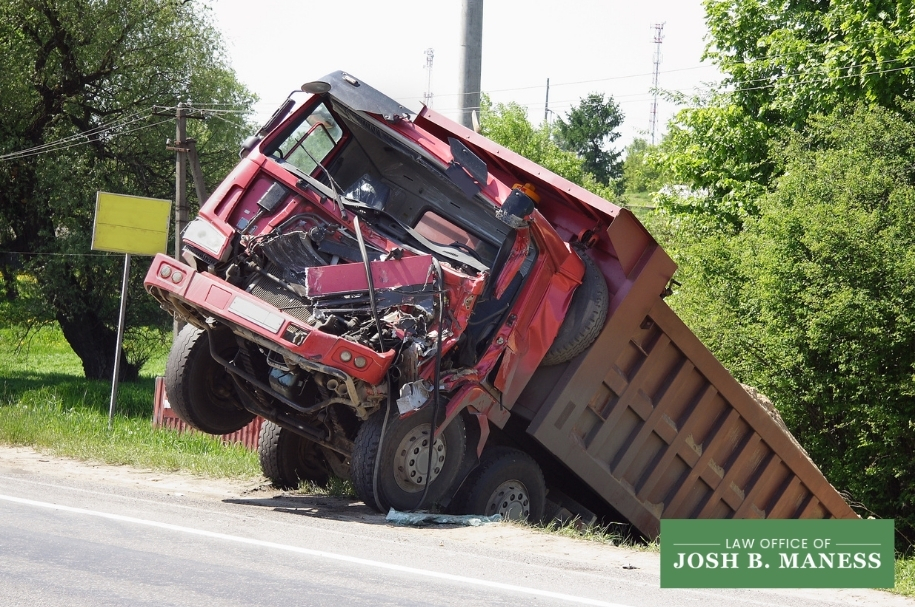

In Texas, all vehicle accidents that involve multiple parties are resolved based on fault, but how is fault determined in a truck accident in Texas? While these accidents often happen for the same reasons as passenger vehicle accidents, they can raise more difficult questions of liability, and it is possible for more than one party to bear fault for your recent accident.
How Is Fault Determined in a Truck Accident in Texas?
The aftermath of your recent truck accident is likely to be confusing, and you may have suffered severe injuries. You’re likely to have many difficult questions in this situation, and you have a relatively short time to pursue accountability and compensation. It’s a good idea to hire a truck accident lawyer at your first opportunity so they can start building your case.
Commercial trucks are much larger and heavier than most other vehicles on the road, so there is a significant risk of catastrophic or fatal injury when a truck crashes. The National Safety Council recorded 720 truck accident fatalities in Texas in 2024, more than any other state. Whether you are seeking compensation for your own injuries or you are acting on behalf of a fatally injured family member, you need to know how to prove liability.
Some of the evidence your case may require could include police reports, photos of the accident scene, and testimony from any eyewitnesses who saw the accident happen firsthand. In some cases, digital evidence like cell phone records, GPS data, truck black-box data, and trucking company records could also be crucial for proving fault. It is also possible for liability to be shared:
- Comparative fault can come into play when a plaintiff shares fault with a defendant. Under Texas’ law for modified comparative fault, the plaintiff can still claim damages if they were partially liable for the accident, but only if they are assigned a lower fault percentage than the defendant. Their fault percentage is subtracted from their total compensation.
- Vicarious liability could apply to a trucking company or other employer found to be liable for its driver’s actions. For example, if the employer failed to enforce trucking industry regulations and this contributed to an accident, the employer can be held vicariously liable for the resulting damages.
These are only two examples of the types of liability disputes that could arise in a truck accident case. Fault for your accident could fall on a truck driver, their employer, the driver of another vehicle, or a combination of multiple parties. If you or a family member has been injured in a truck accident and you are wondering how fault is determined, it’s vital to find legal counsel you can trust to help you with your case as soon as possible.
Hire a Truck Accident Lawyer Today
The Law Office of Josh B. Maness can help you build your case and pursue accountability for your damages. I have successfully resolved more than 125 jury trials for past clients, and since 2023, I have secured more than $10 million in compensation for my injured clients in Texas. If you are ready to speak with a Texas truck accident attorney about your case, contact me today to schedule your consultation and learn how I can help.